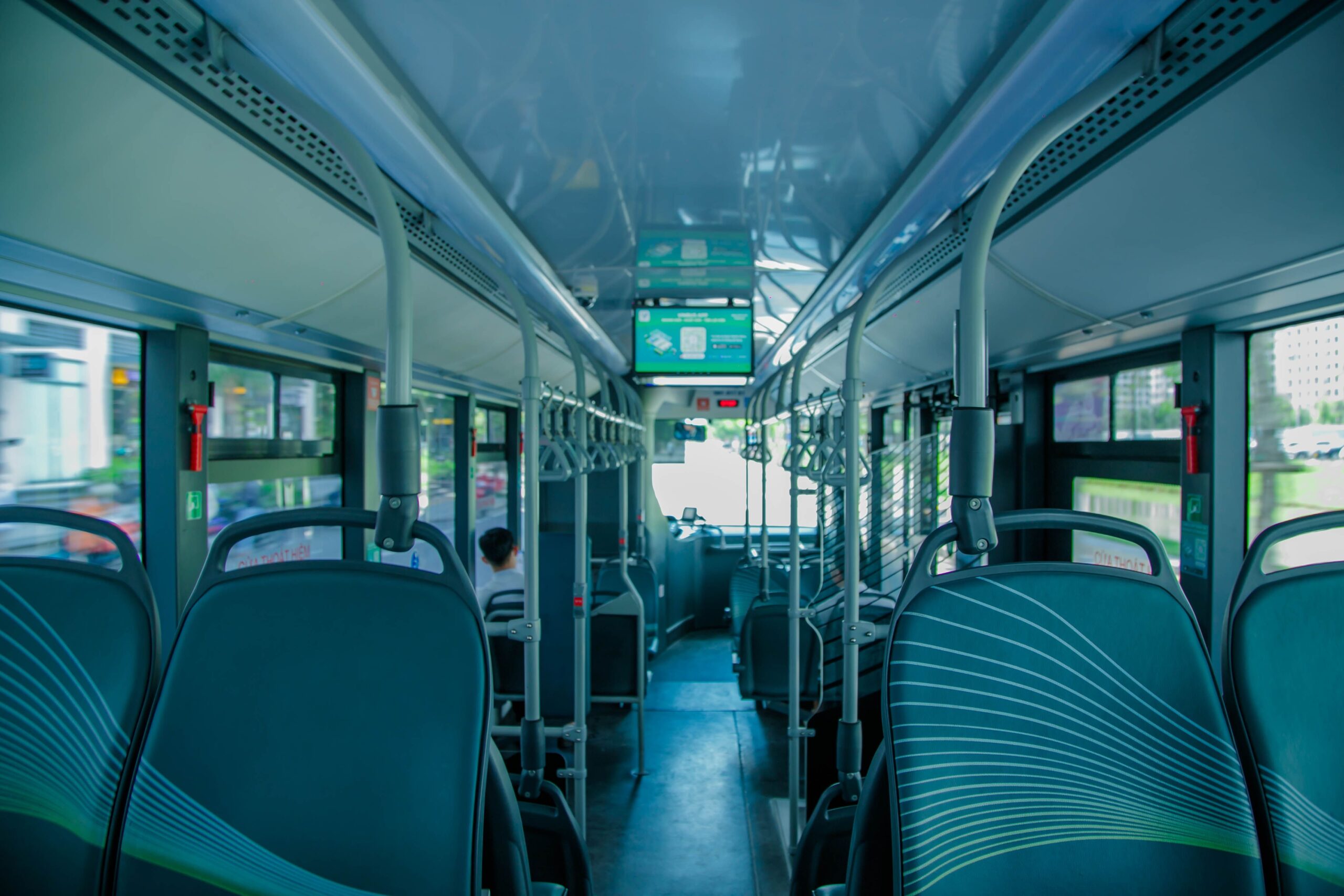
Making Urban Mobility More Inclusive
As cities grow, providing reliable transportation becomes an important part of creating inclusive urban communities. Public transport systems connect people to workplaces, schools, healthcare facilities and other essential services.
But accessibility is not only about having buses and trains available. It can also depend on affordability, frequency, safety and whether transport systems are designed for people with different mobility needs.
Designing Transport Around People
Cities are exploring different approaches to improve the passenger experience. These can include:
- Step-free station access
- Better pedestrian connections
- Real-time transport information
- Improved lighting
- Dedicated bus lanes
- Integrated ticketing systems
- More accessible vehicles
Small improvements across a transport network can make daily journeys easier for many passengers.

The Importance of Safe Streets
Public transportation is only one part of urban mobility. People also need safe routes to reach stations and stops. Sidewalks, pedestrian crossings, cycling infrastructure and street lighting can influence whether residents feel comfortable walking or cycling as part of their daily journeys.
“A transport system is only as accessible as the journey people make to reach it.”

“Good urban mobility connects people with opportunities, not simply places with places.”
Data Can Improve Transport Planning
Transport authorities can use information about passenger numbers, journey times and service patterns to understand where improvements may be needed. Data can also help identify areas where transport services are limited or where passengers experience longer journeys. When combined with feedback from residents, this information can support more responsive planning.